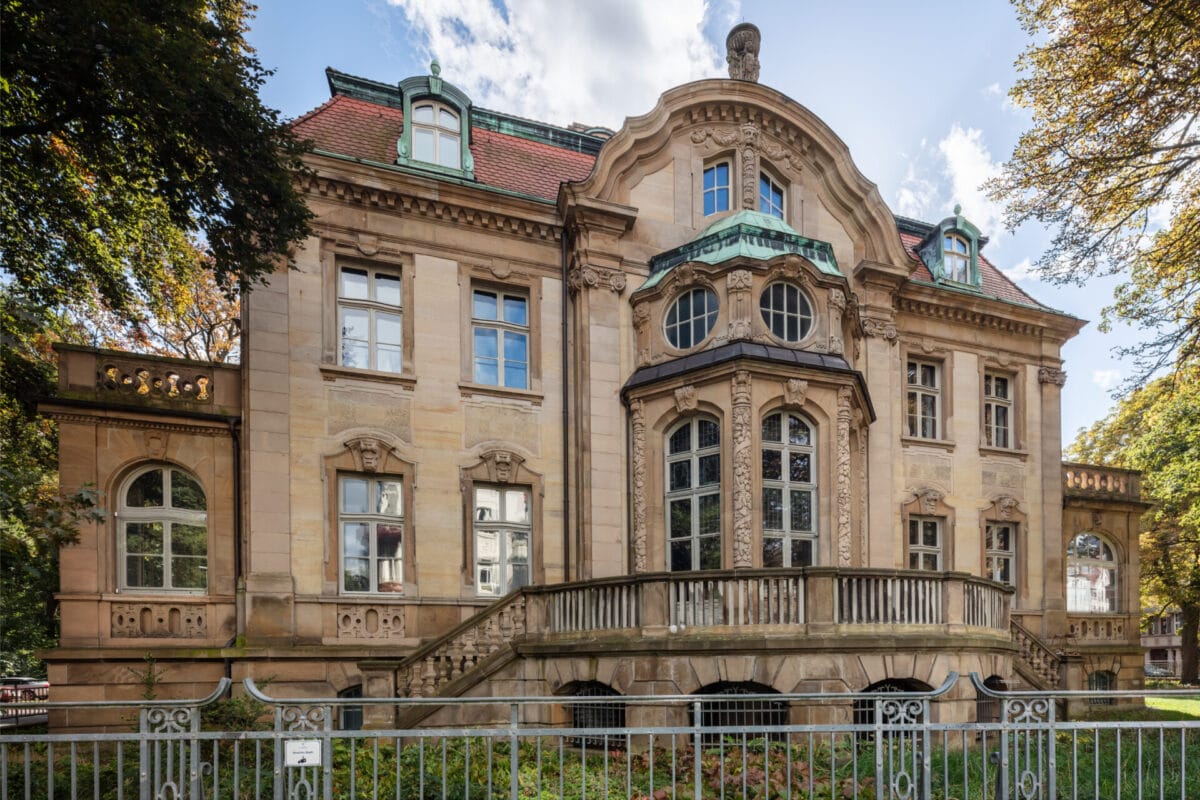
At the beginning of the 20th century, Privy Councillor Siegmund Seligmann and his wife Johanna had a prestigious villa and a spacious garden built for them in Hohenzollernstrasse in Hanover. They choose Hermann Schaedtler from Hanover as the architect.
After Siegmund Seligmann’s death in 1925, the house experienced an eventful history. His son Edgar Seligmann donated the house to the city of Hanover in 1931. The inventory was auctioned off and the building was repeatedly rebuilt and adapted by various users. For a time it was used by the Wehrmacht, later as an office building for the state food office and as storage for the Kestner Museum. The Hanover Music School used the building until 2008.
Following the acquisition of Villa Seligmann by the Siegmund Seligmann Foundation, the building underwent extensive restoration work from 2010 to 2012. Thanks to the generous support of sponsors and committed members of the Siegmund Seligmann Foundation, this ambitious project was successfully completed.
Today, the Villa is one of the few Hanoverian testimonies of Jewish culture before the Shoah. The event formats include concerts, exhibitions, lecture series, readings and educational events. The Villa Seligmann has developed into a formative institution of the cultural landscape in Hanover and is known far beyond the borders of the capital of Lower Saxony. It creates a platform that honors the diversity of the traditions of Jewish music and at the same time offers space for cultural exchange. The Villa Seligmann invites people to encounter Jewish history and the present in Germany openly and actively, encourages reflection and constructive debate and thus strengthens social cohesion. The power of music and culture builds bridges and promotes community and mutual understanding.
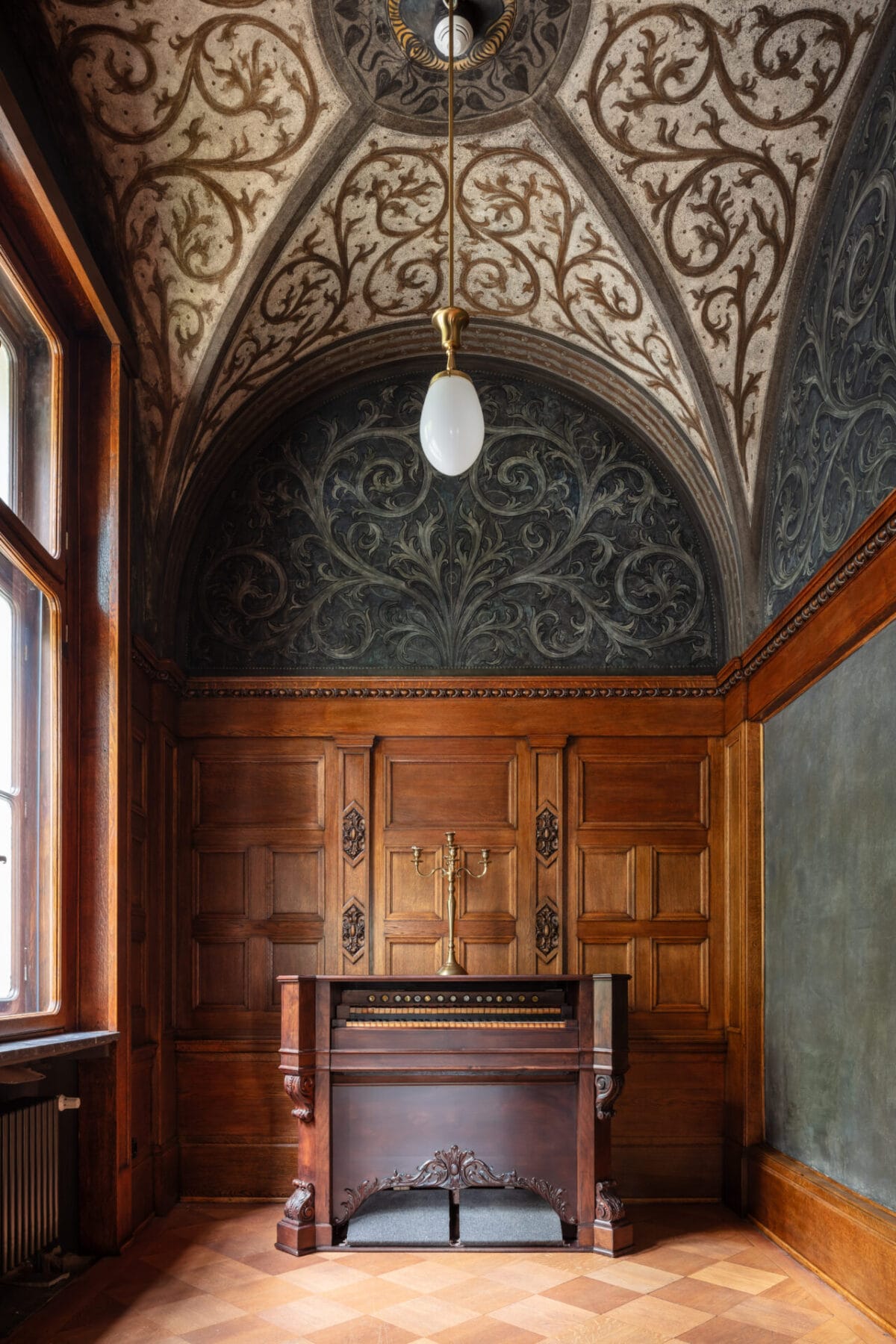
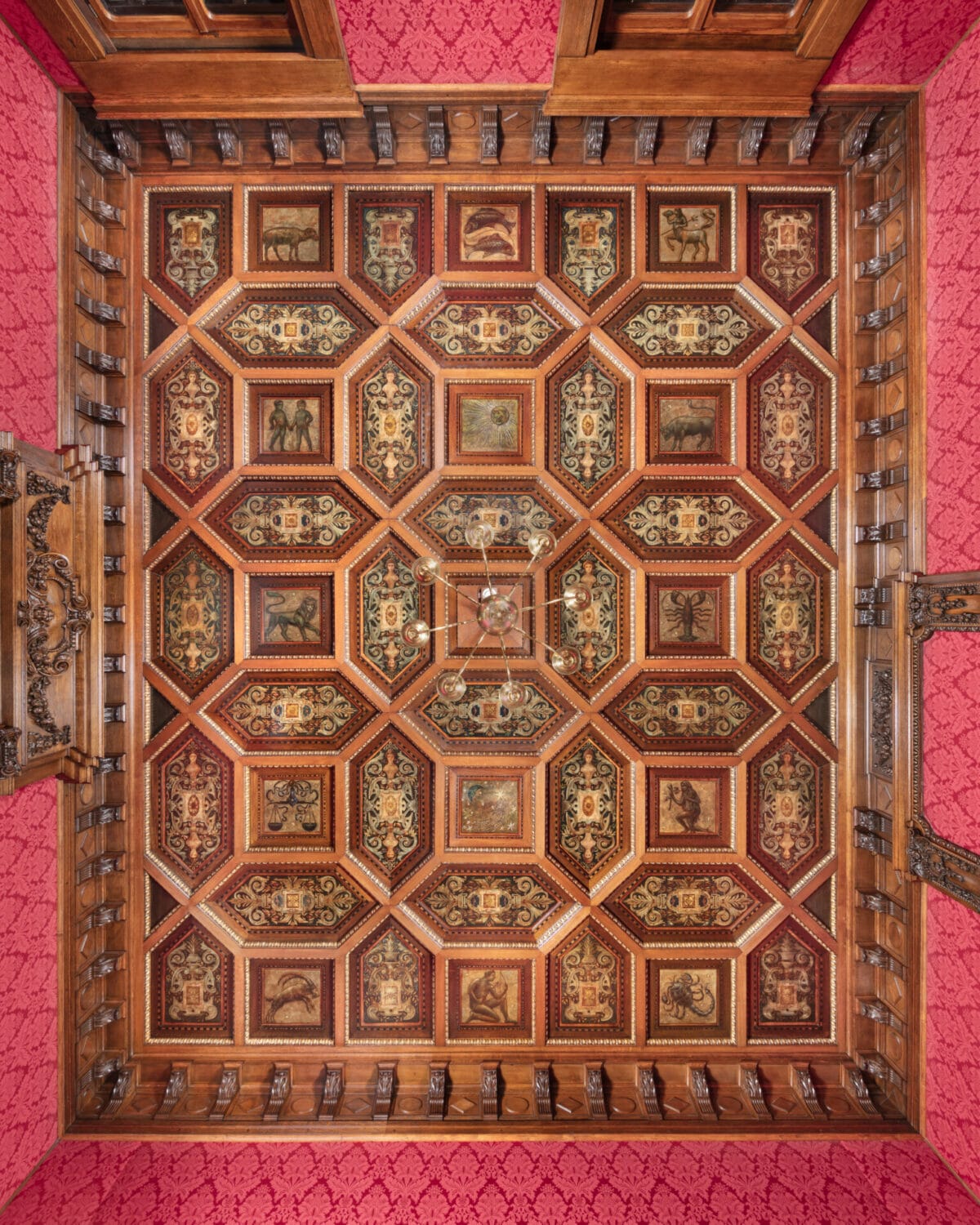
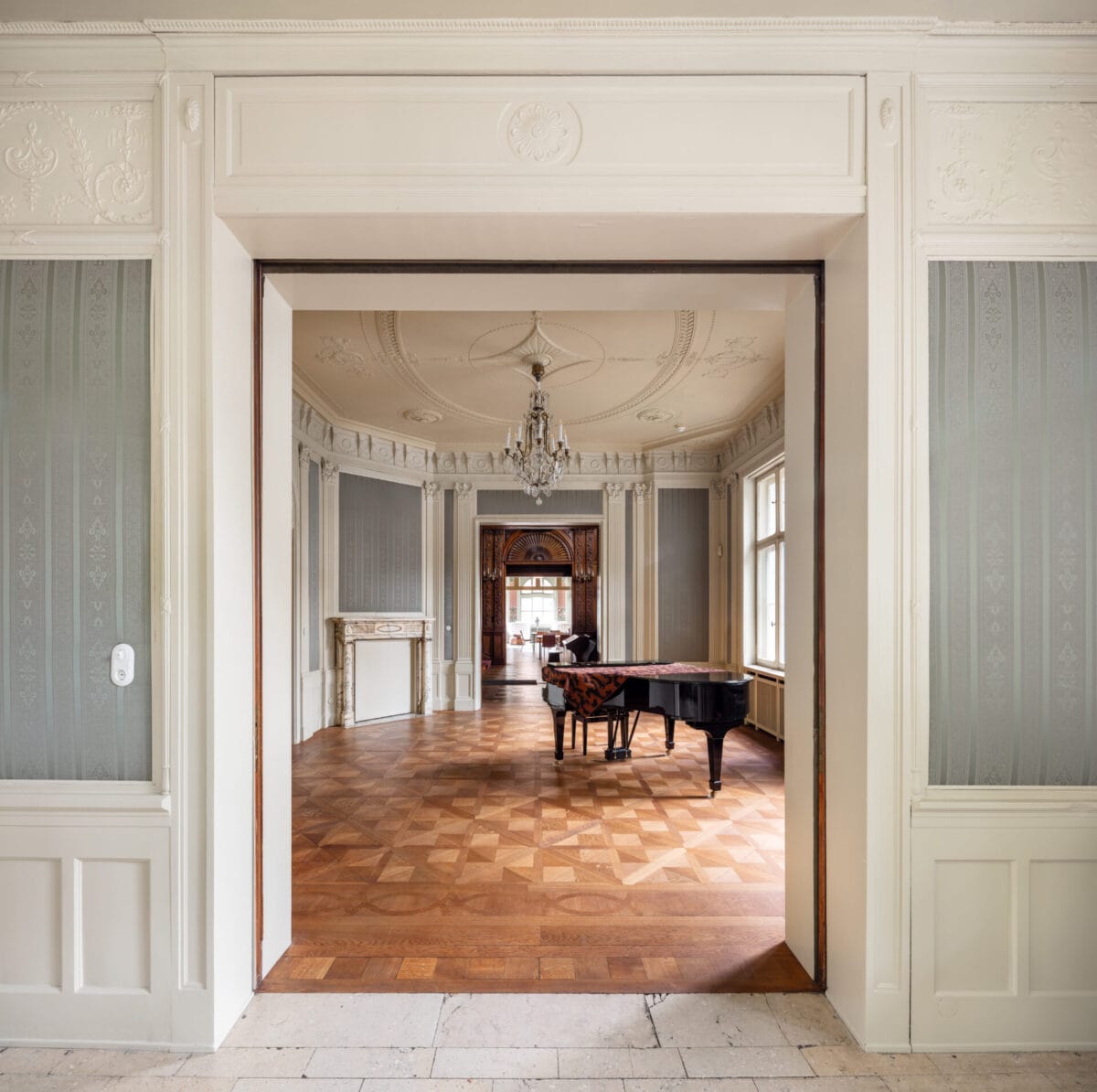
A look inside the Villa
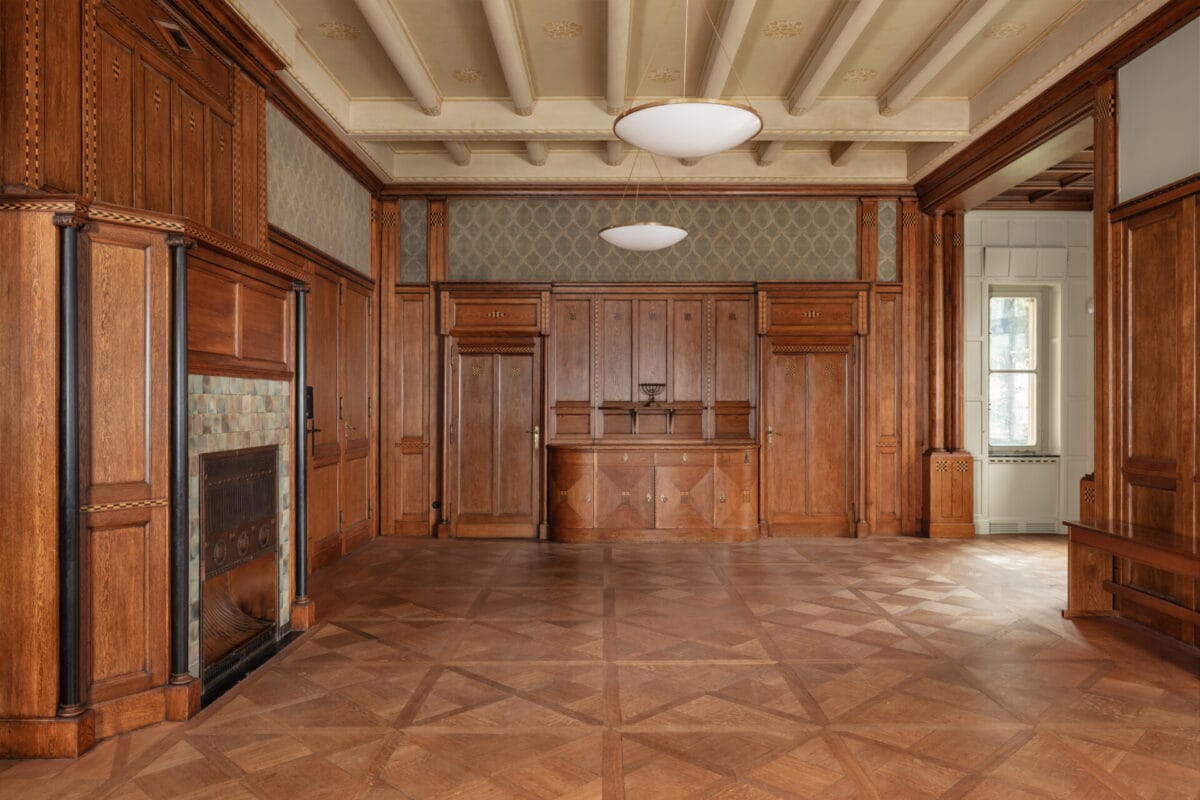
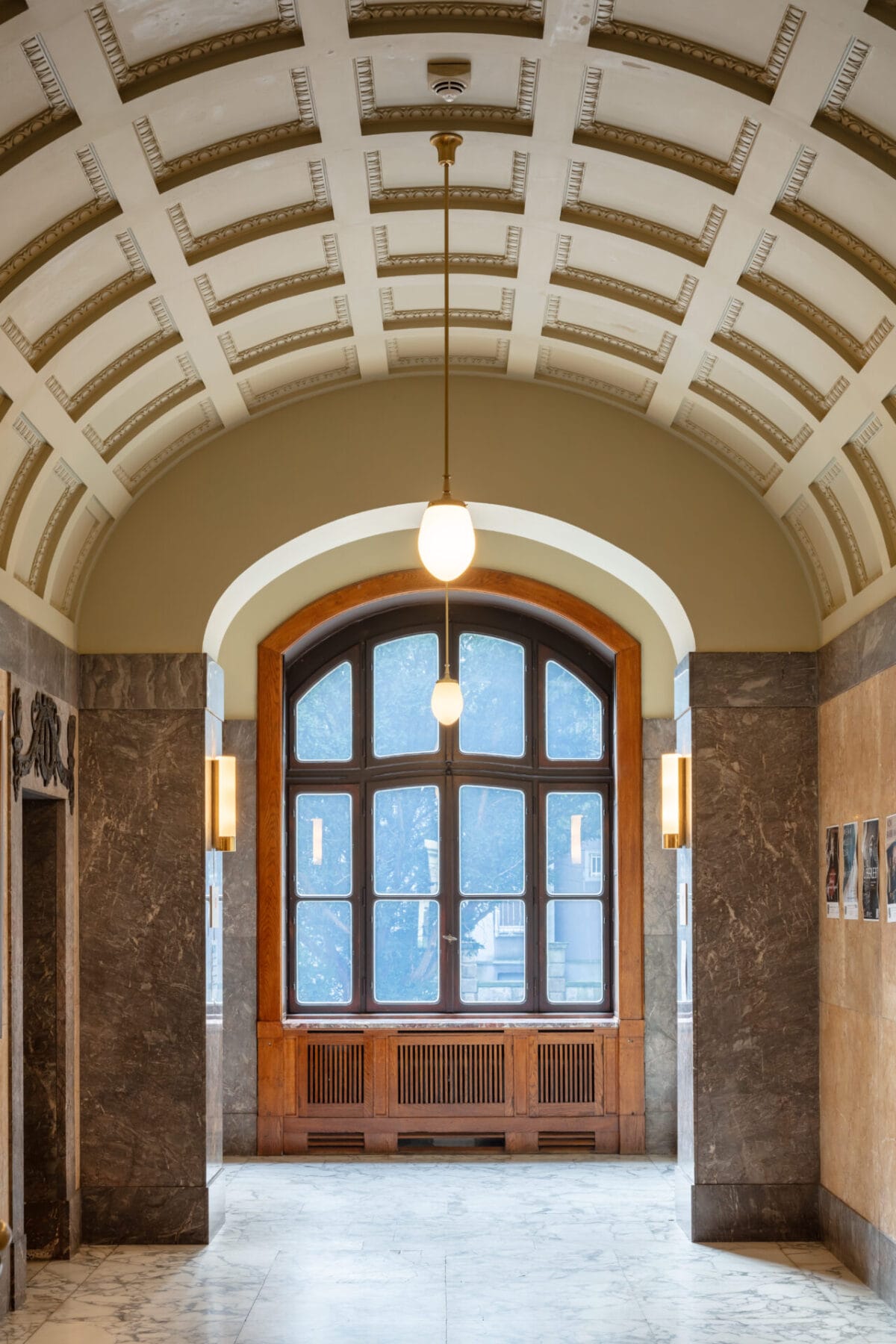
Photos: © Bildarchiv Foto Marburg / Thomas Scheidt