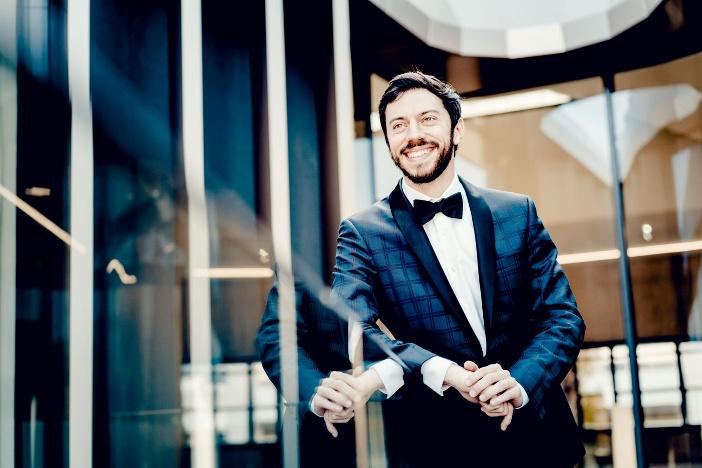
JOHANNES FLEISCHMANN, violin
PHILIPP SCHEUCHER, piano
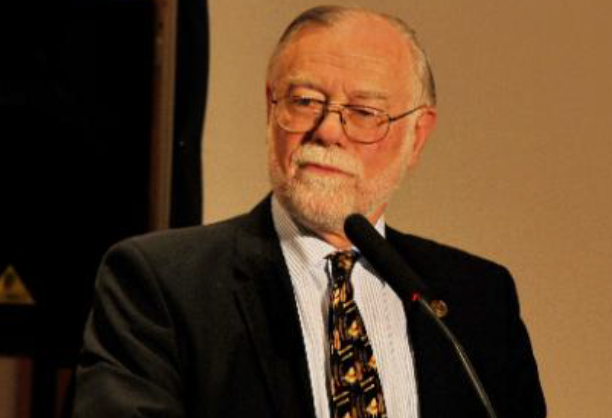
BENNO URE, host
World War I also brought a peaceful “virus” to Europe: a “musical” one. Kurt Weill: “Jazz appeared, in the midst of a period of heightened artistry, as a piece of nature, as the healthiest, most powerful form of artistic expression …” The leading figures of the avant-garde were electrified.
Igor Stravinsky has sheet music sent to him from New York. He composes a ragtime and *The Soldier’s Tale*. Erwin Schulhoff dances ecstatically all night long to the music of jazz combos and declares: “I was the first in Europe to create art jazz, before Ravel, Hindemith, and Krenek.”
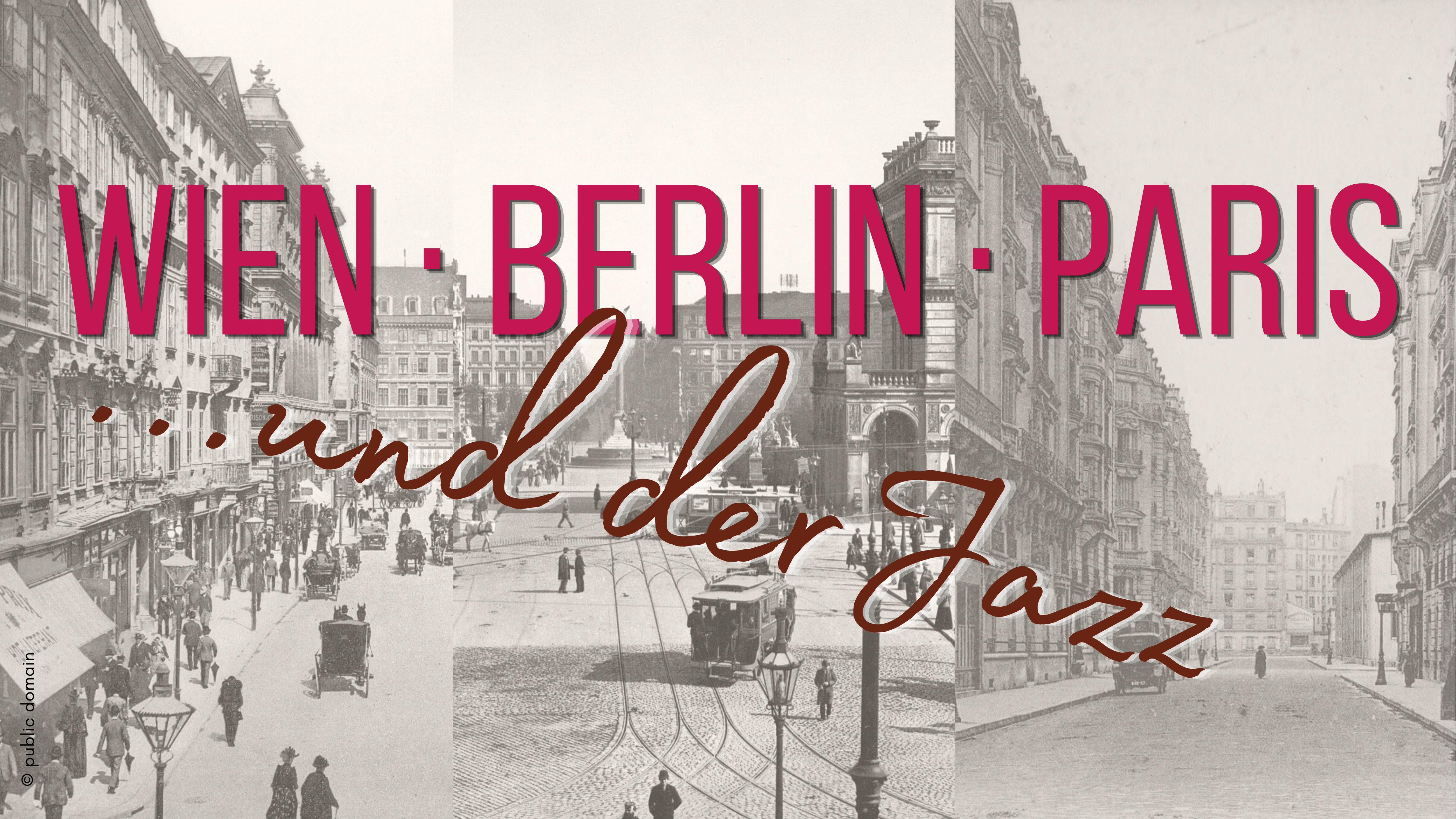
Shimmies, ragtime, and the blues make their way into operas, symphonies, and chamber music. In Vienna, Wilhelm Grosz and Ernst Krenek create a sensation—often met with hostility—with a blend of their own compositions and jazz. In Berlin, Stefan Wolpe becomes the enfant terrible with his pounding rhythms, while George Antheil is dubbed the “bad boy of music.” Darius Milhaud, Artur Arthur Honegger, and Alexandre Tansman become heroes of France’s New Music movement thanks to their incorporation of jazz elements.
Barely more than a decade later, the Nazi regime banned their music. Jazz was deemed “degenerate.” Many of the “jazz musicians” fled Europe or were murdered.
This concert is a tribute to the leading figures of a unique era of innovation. They were inspired and motivated. Their fascination is ours.
The event is based on ideas and research by Benno Ure and Hartmut Krones and is being organized in collaboration with Universal Edition Vienna.